Advertising Disclosure: This page contains sponsored editorial content and affiliate links. We may receive compensation if you make a purchase through links on this page.
What If the Answer to Sharper Days Ahead Was Sitting in a Jar of Honey All Along?
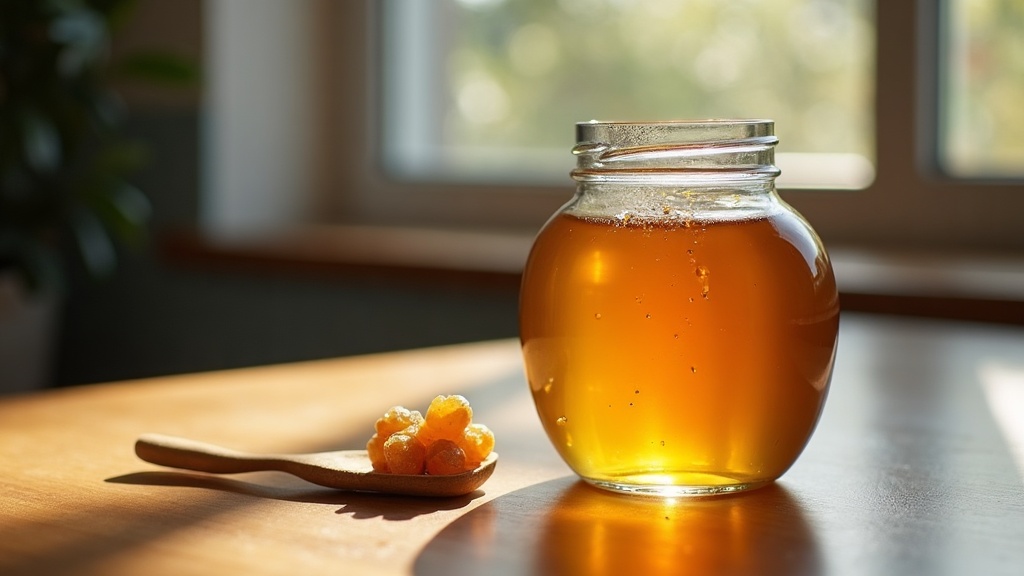
Before you were told to chase the newest capsule or powder, generations relied on something simpler. This short presentation looks at why honey keeps resurfacing in conversations about aging minds — and why so many people over 50 are suddenly paying attention again.
Why Memory Shifts After 50
Why does a name that once came instantly now sit just out of reach? Why do familiar routines suddenly ask for a second thought? These questions are common after 50, and the reasons are rarely simple. Below are four factors researchers and clinicians often point to when discussing how the mind changes with age — and why honey, of all things, keeps entering that conversation.
A Forgotten Kitchen Staple
Long before modern supplement aisles existed, honey held a steady place in daily routines across cultures. Its role quietly faded as attention shifted to newer, more marketed alternatives — yet interest in revisiting it has grown.
The Slow Accumulation of Time
Cognitive changes rarely arrive overnight. They build gradually, shaped by decades of habits, stress, sleep patterns, and everyday choices that quietly add up.
Disrupted Rest Patterns
Sleep architecture shifts with age, and lighter, more fragmented rest is often discussed alongside changes in day-to-day mental clarity.
Everyday Balance, Reconsidered
Nutrition, hydration, and daily rhythm all play a role in how the mind feels from one day to the next, according to general wellness literature.
Myths vs Facts
Conversations about aging and cognition are crowded with oversimplified claims. Here is a grounded look at three common statements, examined side by side.
Memory changes after 50 mean something is seriously wrong.
Some degree of change is a normal part of aging for most people and does not, by itself, indicate a medical condition.
Traditional ingredients like honey are outdated and irrelevant today.
Interest in traditional foods has resurfaced as researchers revisit ingredients long used across generations, though findings remain preliminary and ongoing.
There is nothing you can do about how your mind feels day to day.
General wellness habits — sleep, nutrition, movement, and stress management — are widely discussed as part of an everyday routine, though results are individual and never guaranteed.
A Simple Way to Look at the Bigger Picture
Rather than chasing a single fix, many people find it useful to think in terms of a broader daily approach. Here is how that conversation is often framed.
Step One: Notice the Pattern
Before making any changes, it helps to simply observe when mental fog or forgetfulness tends to show up — mornings, evenings, after certain meals, or during stress.
Step Two: Revisit the Basics
Sleep quality, hydration, and steady nutrition are often the first areas worth examining, long before considering anything more elaborate.
Step Three: Explore With Context
This is where traditional ingredients like honey enter the discussion — not as a stand-alone answer, but as one piece some people choose to explore within a broader daily routine, ideally alongside guidance from a healthcare professional.
Where This Idea Actually Comes From
Honey has appeared in traditional wellness practices across multiple cultures for centuries, long before modern supplement marketing existed. Historical texts describe it being incorporated into daily routines for general well-being, though the language used at the time was rarely scientific by today’s standards. In recent years, researchers have begun revisiting some of these traditional practices with modern tools, examining ingredients that were once dismissed as folklore. This renewed interest does not amount to proof of any specific outcome, but it does explain why a simple pantry item is suddenly part of a much larger conversation.
The pattern worth noticing is not that honey is new — it is that it never really left. What changed is that people are finally asking why it was ignored for so long.
Signs Worth Paying Attention To
Misplacing Everyday Items More Often
Occasionally losing track of keys or glasses is common, but a noticeable increase in frequency is worth discussing with a healthcare provider.
Struggling With Familiar Words
Momentary word-finding difficulty happens to most people, but a persistent pattern deserves attention rather than dismissal.
Losing the Thread Mid-Conversation
Occasionally drifting during a conversation is normal; frequently losing context altogether is a pattern some clinicians ask patients to monitor.
Feeling Mentally Foggy by Midday
A dip in clarity in the afternoon is common, but consistent, unexplained fog throughout the day is worth mentioning to a professional.
Difficulty Following Multi-Step Tasks
Tasks that once felt automatic requiring extra concentration can be a sign worth tracking over time rather than ignoring.
Increased Reliance on Reminders
Using notes and alarms is a healthy habit at any age, but a sudden, significant increase may be worth discussing with a doctor.
What People Are Saying

These testimonials reflect individual opinions and experiences. Results vary from person to person, and none of these statements should be interpreted as a guarantee of any specific outcome.
Frequently Asked Questions
No. This content is educational and explores historical and traditional context. It does not diagnose, treat, cure, or prevent any condition.
Renewed research interest has brought traditional ingredients back into broader wellness discussions, prompting a fresh look at long-standing practices.
Not necessarily. Some change is considered a normal part of aging, though persistent or worsening patterns should always be discussed with a healthcare professional.
No. Most people who explore this simply add awareness to their existing routine rather than overhauling anything drastically.
The video is sponsored editorial content and may include affiliate links, as disclosed on this page. It is intended to inform, not to replace medical advice.
No. Always consult your healthcare provider before making any changes to your current routine, supplements, or medications.
It is designed for adults 50 and older who are curious about traditional wellness practices and how they relate to everyday mental clarity.
Curious Enough to See the Full Picture?
The full presentation walks through the history, the research context, and the reasoning behind why honey has resurfaced in conversations about aging minds. No pressure, no promises — just the full story, explained clearly.
Advertising Disclosure: This page contains sponsored editorial content and affiliate links. If you click a link and make a purchase, we may receive compensation at no additional cost to you. This financial relationship helps support the content on this site but does not influence our commitment to providing informative material.
Content Disclaimer: The information provided on this page is for educational purposes only and has not been evaluated by the Food and Drug Administration. It is not intended to diagnose, treat, cure, or prevent any disease or medical condition. Always consult a qualified healthcare professional before making any changes to your diet, lifestyle, supplements, or medications.
Results Disclaimer: Individual results vary significantly from person to person. Any testimonials or experiences shared on this page are personal opinions and are not a guarantee of similar outcomes for any other individual.
© 2026 All Rights Reserved. Questions? Visit /contact/